

By John Geiger
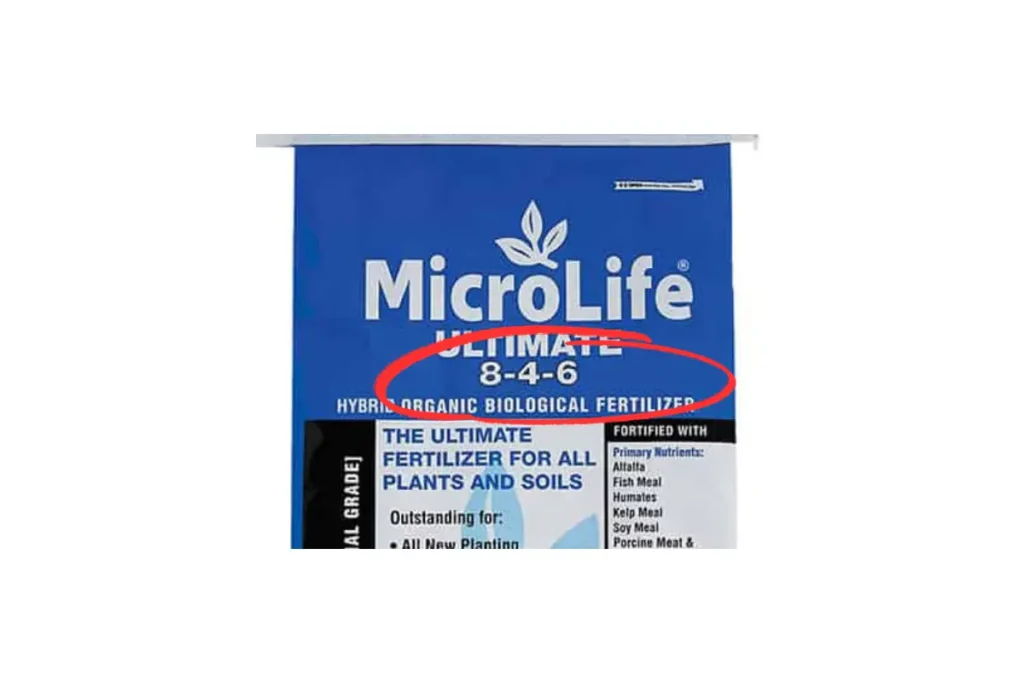
Those three numbers are the Nitrogen-Phosphorus-Potassium (N-P-K) ratio. If a bag has, for example, 6-2-4 on it then it’s composed of 6% Nitrogen, 2% Phosphorus, and 4% Potassium. While many other factors are involved (pH, salinity, magnesium to name a few), Nitrogen, Phosphorous and Potassium are especially critical.
Nitrogen (N)
Fuels lush, green growth and stimulates robust root development.
- Vital for turf establishment and spring recovery.
- Excessive nitrogen may lead to excessive top growth, making the lawn more susceptible to disease and environmental stress.
- Insufficient nitrogen results in pale, yellowing grass and stunted growth.
Phosphorus (P)
Fosters strong root systems & facilitates energy transfer.
- Early application lays the groundwork for resilient turfgrass.
- Excessive phosphorus can contribute to nutrient runoff and environmental pollution.
- Inadequate phosphorus results in poor root development and weak, spindly grass.
Potassium (K)
Bolsters overall vigor and resilience.
- Promotes stress resistance and fortifies plant structure.
- Excessive potassium may inhibit the uptake of other essential nutrients.
- Insufficient potassium leads to weak stems and increased susceptibility to drought and disease.
Pro Tip: It’s always best to test your soil first to determine specific nutrient deficiencies. It’s simple, easy and cheap. In lieu of that, use a balanced NPK formula and make sure it’s both organic and slow release.